
Plant Details
California Pine
Pinus californiarum
Also called: California Desert Piñon | Singleleaf Piñon
The California Pine is a rugged, drought-defying conifer native to the arid mountains and deserts of Southern California. Often seen with a picturesque, twisted trunk and a low-branching crown, it is famously known as the world's only one-needled pine. This slow-growing evergreen produces large, oil-rich seeds that have been a vital food source for Indigenous peoples like the Kumeyaay and Cahuilla for centuries. It is a resilient survivor, thriving in hot, dry environments where few other trees can stand their ground.
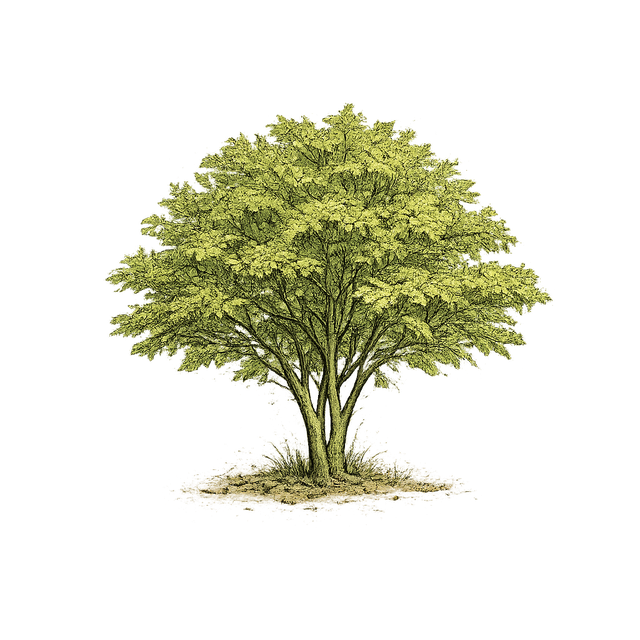
Plant Snapshot
Growth Conditions
Seasonal Timing
Late summer
Large, oily pine nuts mature and are ready for harvest.
Winter
Tree enters a period of slow activity during the cold months.
Cautions
Pine Bark Beetles
Can attack stressed trees during extreme drought.
Pitch Moths
Causes resinous wounds on the trunk.
Sources
- Pinus californiarum (singleleaf piñon) description
Detailed taxonomic and ecological profile.
- Pinus monophylla - Calflora
Distribution and native status in California.
Places that sell it
- Las Pilitas Nursery
Specializes in California native plants.