Plant Details
Western Desert Penstemon
Penstemon incertus
Also called: Mojave Beardtongue | Mojave Penstemon
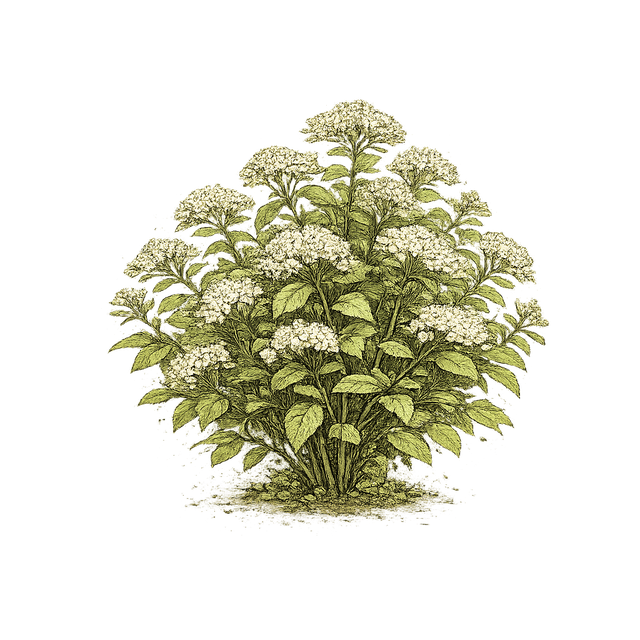
A tough and showy California native shrub, the Western Desert Penstemon is a true desert beauty. It features upright, branching stems covered in narrow, gray-green leaves that form a rounded, open mound. In late spring, it bursts into color with spikes of wide-mouthed, tubular flowers in stunning shades of blue-purple or violet. This 'tough-as-nails' plant is a favorite for water-wise gardens and desert landscapes, effortlessly handling intense heat, cold, and dry conditions while acting as a vital pit stop for hummingbirds and bees.
Plant Snapshot
Growth Conditions
Seasonal Timing
Late spring
Peak flowering occurs in May and June.
Early summer
Flowers can persist into the heat of early summer.
Late winter
Cut back old flower stalks and tidy up the foliage before new spring growth begins.
Cautions
Aphids
Occasional visitors on new growth; can be blasted off with water.
Root rot
The primary 'pest' is actually overwatering or poor drainage.
Sources
- Western Desert Penstemon - Calscape
Detailed range and habitat information for CA natives.
- Penstemon incertus - Las Pilitas Nursery
Practical growing tips for desert conditions.
Places that sell it
- Theodore Payne Foundation
Specializes in California native plants.
- Las Pilitas Nursery
Expert source for CA desert species.